
The Denominator
Most are not.
In 2011, a young pharmacist leaves a rain-soaked house in Hyderabad and a mother who does not want him to go. He carries one stubborn belief into the field: if he counts the dead honestly, the world will act.
He is not a soldier and not a natural hero. He is a quiet, precise man who believes a number is a form of respect for the dead. Over the next eleven years — as a frontline epidemiologist across Africa and the Middle East — that belief is tested in the worst places on earth. It costs him almost everything.
When a population is never enumerated, its deaths cannot become a rate — and what cannot become a rate does not become a policy. Below: 1,000 people. The lit marks are the ones a health system actually recorded.
Inside the Book
The Denominator is a field memoir about the unglamorous machinery of global health: the tally sheets, the refrigerated vaccine boxes, the census that was never taken, the outbreak line list assembled by candlelight. It follows the work that happens long before a number reaches a journal or a headline.
It is also an argument. Bhagavathula's career has been built on the premise that measurement is a moral act — that deciding who enters the denominator is a decision about whose life registers as a life. The book traces what happens when that premise meets institutions that would prefer a cleaner number, governments that would prefer a smaller one, and the ordinary exhaustion of a person who keeps insisting on the true one.
Readers of Mountains Beyond Mountains, The Spirit Catches You and You Fall Down, and Atul Gawande's essays will recognise the terrain — but this book is written from inside the data, by the person holding the clipboard rather than the one interpreting it afterward.
Who Should Read It
Public health students & trainees
What the textbook version of fieldwork leaves out — the compromises, the missing sampling frames, and the moment you realise your denominator is a guess.
Clinicians & global health workers
An honest account of what it costs to do this work over a decade, written by someone who stayed long enough to see what it does to a person.
Anyone who reads the numbers
Journalists, policymakers, and general readers who want to understand where mortality figures actually come from — and why so many of them are wrong.
About the Author
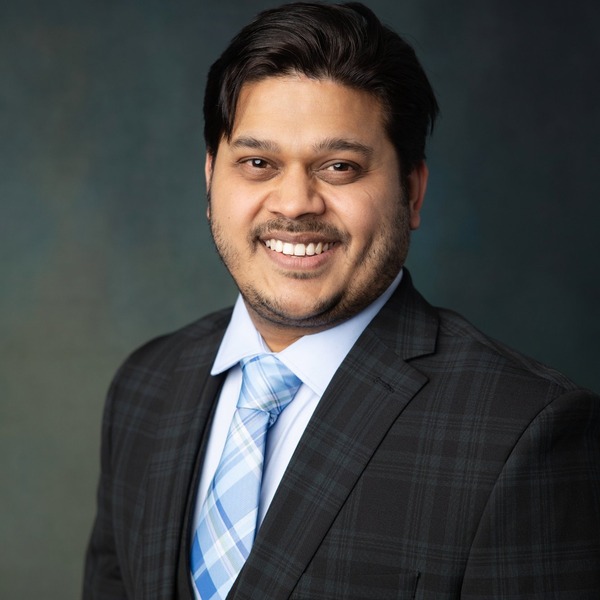
Akshaya Bhagavathula, PhD, PharmD, FACE
Trained as a clinical pharmacist in India before earning a PhD in epidemiology, Bhagavathula worked as a field epidemiologist with WHO, USAID, and UNICEF across Africa and the Middle East. He now researches digital epidemiology, pharmacovigilance, and geospatial health at North Dakota State University, and is a named collaborator on the IHME Global Burden of Disease study.
Invite Akshaya to speak
Available for book talks, university lectures, conference keynotes, and podcast interviews on global health measurement, the ethics of counting, and what frontline epidemiology actually looks like. Bulk copies available for course adoption and institutional events.
Request a speaking date → Media enquiries